


 INTERNATIONAL SHIPPING
Approvals and Conformities
NSN
5330-01-259-0770
Pratt And Whitney PN/Spec#
PWC08-002
Alternate PN#s
4097353, DC730, 730RTV, RTV730, RTV-730
Product Attributes
 Country of Origin
United States
Size
90 mL
Shipping Weight
0.26 pounds
ECCN
EAR99
Color Family
White
Manufacturer P/N
DOWSIL 730
Schedule B Code
3214.10.0020
Pack Quantity
1
Ship Dimensions
2 x 7 x 2 inches
Size
90 mL (3 oz) Tube
Color
White
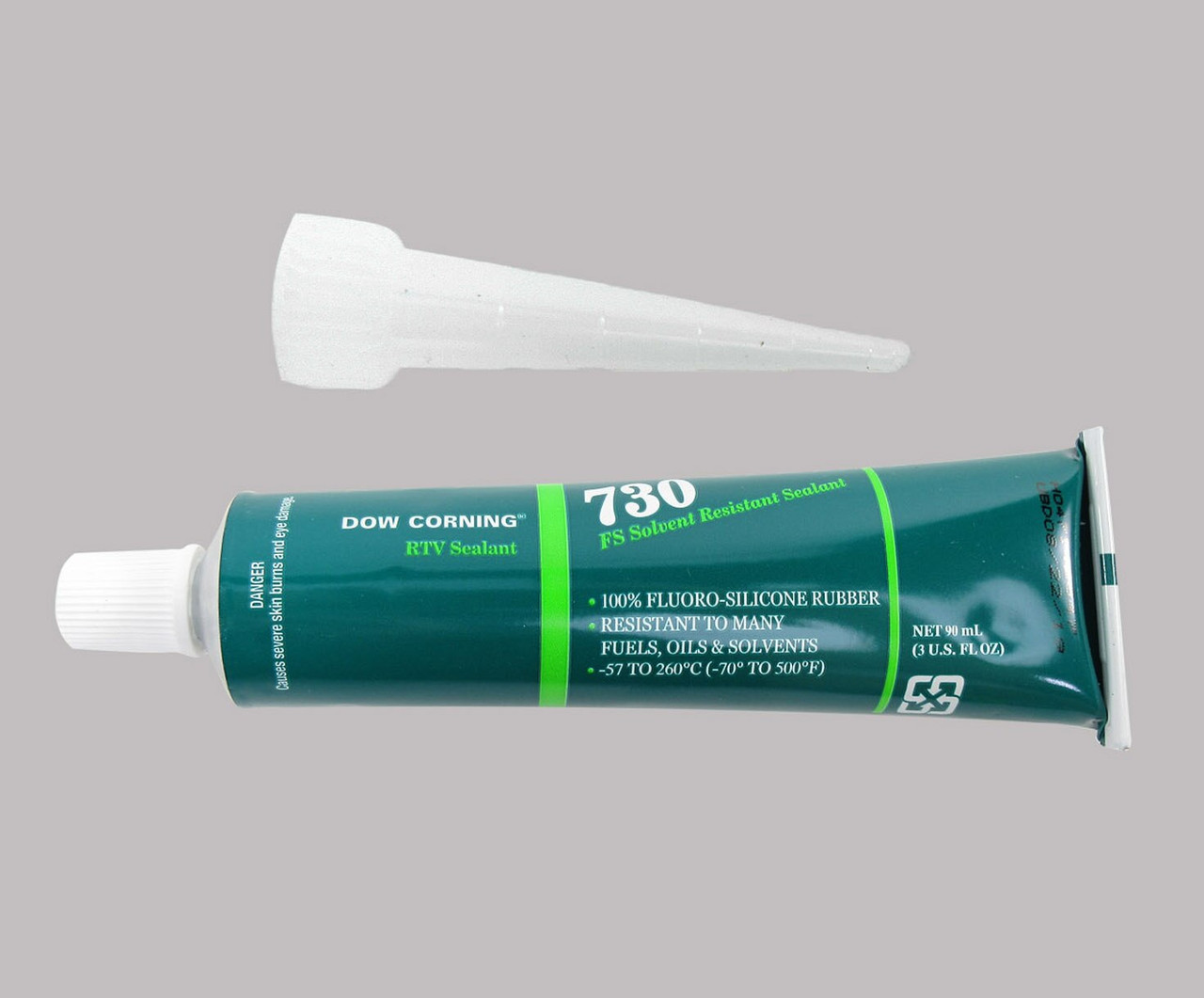
Dow Corning DOWSIL 730 is a premium white silicone sealant designed for solvent resistance and durability in demanding applications. Available in a 3 oz (90 mL) tube, this aviation-grade sealant provides reliable, long-lasting seals that withstand harsh conditions, making it ideal for aircraft maintenance and repair. Trust DOWSIL 730 for superior adhesion and flexibility to keep your components protected and secure.
Features
Dow Corning 730 Solvent Resistant Sealant is used primarily for bonding, sealing and caulking applications where resistance to the swelling effects of fuels, oils and solvents is needed. It can be used for assembling and/or repairing the fuel lines and tanks of cars, small engines, aircraft and rockets. Other potential applications include:
|
*CTMs (Corporate Test Methods) correspond to standard ASTM tests in most instances. Copies of CTMs are available upon request.
